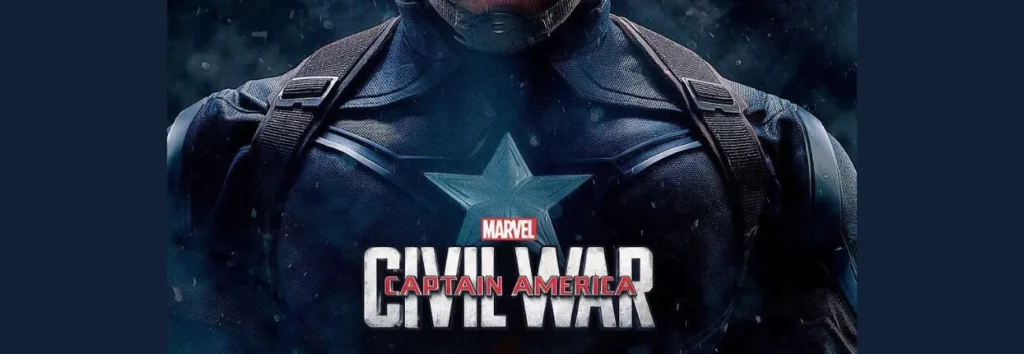
Civil War (2006), universally known as one of the most polarizing and high-stakes crossover events in comic book history, stands as the ultimate benchmark for ideological conflict in Marvel storytelling. Written by Mark Millar with stunning interior art by Steve McNiven, this landmark epic forces lifelong allies to stand on opposite sides of a law that changes superhero history forever.
For comic book readers and multiverse trackers following Multiverse Reel, conducting a thorough Civil War 2006 comic review is essential. Understanding the political fallout of the Superhuman Registration Act (SHRA), the ideological split between heroes, and Marvel’s foundational crossover blueprint reveals how internal division paves the way toward Avengers: Doomsday.
1. Character & Event Profile: What Is Civil War (2006)?
The Stamford Tragedy and the SHRA
In Marvel Comics lore, a catastrophic explosion in Stamford, Connecticut, caused by a reckless battle between the New Warriors and Nitro, prompts the United States government to pass the Superhuman Registration Act (SHRA). The law mandates that all individuals with superhuman abilities must unmask, register their secret identities with the government, and operate as licensed, trained law enforcement agents.
An Ideological Rift Across Earth-616
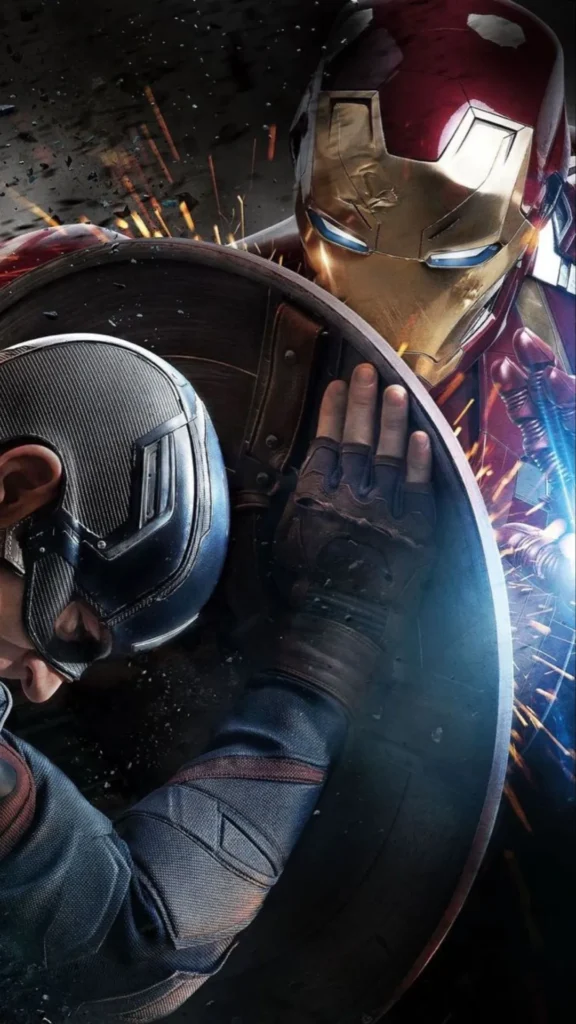
As highlighted in any comprehensive Civil War 2006 comic review, this single piece of legislation splits the superhero community right down the middle. Iron Man (Tony Stark) advocates for government oversight, accountability, and public safety. Conversely, Captain America (Steve Rogers) views mandatory registration as a direct violation of civil liberties and personal privacy. This philosophical clash transforms lifelong friends into bitter enemies, redefining the moral fabric of Earth-616.
Quick Event & Publishing Profile
| Parameter | Event Specifications |
|---|---|
| Event Title / Focus | Civil War 2006 comic review (Civil War #1–#7) |
| Primary Creators | Mark Millar (Writer), Steve McNiven (Penciler) |
| Estimated Publishing Investment | $12 Million (Cross-Title Marketing & Publishing Budget) |
| Global Retail Circulation | Over $65 Million Lifetime Retail & Collected Edition Sales |
| Key Roster | Iron Man, Captain America, Spider-Man, Goliath, Reed Richards, Thor Clone |
| Core Theme | Freedom vs. security, government surveillance, and ideological warfare |
| Database Source | Multiverse Reel Official Database |
2. Complete Powers, Tactical Equipment & Strategic Warfare
Stark-Tech Enforced Compliance & Guerrilla Tactics
What sets this event apart in our Civil War 2006 comic review is that the conflict relies on strategic, real-world military and technological warfare rather than simple superhero brawling:
Stark-Tech Enforced Compliance: Iron Man utilizes bleeding-edge armor systems, satellite tracking networks, and lethal technological enforcement to hunt down unregistered vigilantes.
Tactical Guerrilla Warfare: Captain America commands unmatched tactical genius, leading his underground “Secret Avengers” resistance cells with stealth, evasion, and urban combat mastery.
Public Unmasking & Surveillance: The SHRA forces high-profile heroes like Peter Parker (Spider-Man) into mandatory identity exposure in front of the global press, placing their families directly in harm’s way.
Superhuman Detention Systems: Reed Richards and Tony Stark construct “Prison 42” in the alternate dimension of the Negative Zone to indefinitely hold heroes who refuse to sign the act without trial.
Multiverse Reel Insight: Civil War‘s true brilliance lies in its moral ambiguity. Neither side is depicted as purely evil. Both Tony Stark and Steve Rogers genuinely believe they are saving the world, making their eventual physical collision devastating for readers.
3. The Invisible Detail: The Deconstruction of Moral Heroism
While standard comic retrospectives focus purely on the fight scenes, our exclusive editorial breakdown in this Civil War 2006 comic review uncovers the deeper narrative shift: Mark Millar subverted Marvel’s “hero saves the day” trope by introducing catastrophic casualties caused entirely by friendly fire. The creation of “Ragnarok”—a cyborg clone of Thor built by Tony Stark and Reed Richards—results in the brutal murder of Bill Foster (Goliath). This tragedy proved that when heroes fight heroes, society suffers the ultimate toll.
4. Doomsday Theory: Vormir’s Soul Stone Sacrifice & Cosmic Debts
The Multiverse Reel Exclusive Theory: Multiverse trackers frequently question how historic comic clashes like the one analyzed in this Civil War 2006 comic review connect to Avengers: Doomsday. Our VIP theory reveals that Doctor Doom’s multiversal takeover doesn’t begin with cosmic energy beams—it begins by exploiting broken societies. Just like Vormir’s eternal “a soul for a soul” cosmic debt where Natasha made her ultimate sacrifice, Doctor Doom will weaponize the lingering ideological trauma of fractured realities. A superhero community divided by registration laws and internal mistrust cannot defend its universe against incursions, allowing Doctor Doom to claim alternate Earths as cosmic debts in Avengers: Doomsday!
5. Geopolitical Impact & Multiverse Integration
The impact of Civil War (2006) reshaped the entire trajectory of Marvel’s publishing and multimedia footprint. It shifted Marvel away from traditional good-vs-evil narratives into complex geopolitical debates that mirrored real-world civil liberties discussions. Furthermore, it served as the direct narrative and thematic blueprint for Marvel Studios’ 2016 blockbuster Captain America: Civil War. As Marvel expands toward multiversal incursions, Civil War remains the prime example of how internal division can break a society faster than any external villain.
6. FAQs & Deny Queries
Q1: Who wrote and illustrated Civil War (2006)?
Q2: Why do Iron Man and Captain America fight in Civil War?
Q3: Does anyone die during the main Civil War comic event?
Q4: Is this comic book event directly connected to the MCU movie?
Q5: Did Civil War operating costs stay under $1 Million for Marvel Comics?
7. Final Verdict & Fan Community Discussion
Civil War (2006) remains an undisputed milestone of modern comic book history. With a conflict grounded in deep moral dilemmas and real-world political themes, it stands as a timeless piece of action-driven storytelling that continues to influence the roadmap toward Avengers: Doomsday.
Join the Discussion on The Multiverse Reel
Were you #TeamCap or #TeamIronMan when the event first dropped, and how do you think internal superhero rifts will affect Avengers: Doomsday? Share your thoughts below or join our Community Forum!