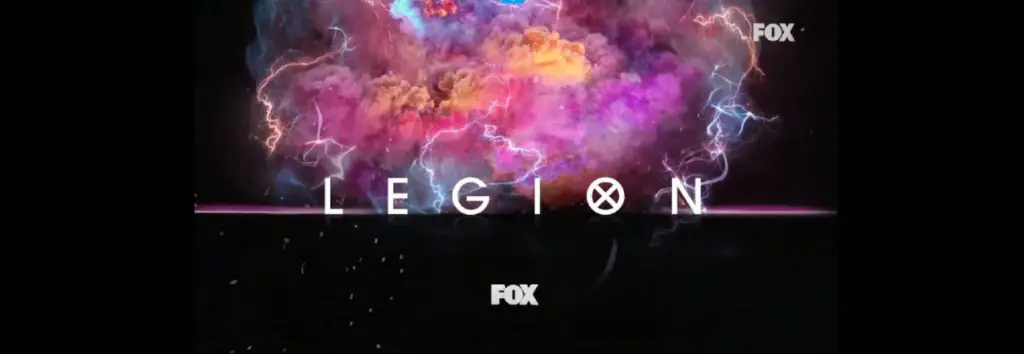
When Legion season 1 explained insights first emerged after its premiere on FX in February 2017, it shattered every preconceived notion of what a comic book television series could be. Created by Noah Hawley and based on the Marvel Comics character David Haller, the 8-episode psychological thriller ignored traditional superhero formulas entirely. Instead, it immersed viewers in a dazzling, disorienting, and avant-garde exploration of mental illness, repressed trauma, and reality-bending mutant power.
For readers of Multiverse Reel Comics, exploring how experimental storytelling redefines iconic characters is essential to understanding the vast, unbounded creative potential of the Marvel multiverse in Legion season 1 explained. You can also track character journeys via our Marvel Characters Database.
1. Character & Event Profile: David Haller, Summerland, and the Shadow King
The Boy Who Believed He Was Broken
The narrative of Legion season 1 explained centers on David Haller (Dan Stevens), a troubled man who has spent years bouncing between psychiatric hospitals, battling crippling hallucinations, and carrying a lifelong diagnosis of schizophrenia. Convinced his mind is permanently fractured, David’s world shifts violently when he meets Sydney “Syd” Barrett (Rachel Keller), a fellow patient whose ability to swap consciousnesses through physical touch makes her fiercely avoidant of contact. Following a catastrophic incident inside the hospital, David is extracted by a clandestine group of mutants operating out of a facility called Summerland.
Unraveling the Parasite Within
Led by the sharp-minded therapist Melanie Bird (Jean Smart) and backed by memory-artist Ptonomy Wallace (Jeremie Harris) and body-sharing scientists Cary and Kerry Loudermilk (Bill Irwin and Amber Midthunder), the Summerland team helps David probe his own memories. They uncover a devastating truth: David is not mentally ill. He is the most powerful mutant psychic on Earth, and his mind has been secretly hijacked since childhood by a malicious, parasitic entity known as the Shadow King (disguised as the “Devil with Yellow Eyes” and his warped childhood friend, Lenny Busker, played brilliantly by Aubrey Plaza). Track narrative expansions via our Marvel Movies Hub.
2. Quick Series Profile
| Parameter | Details |
|---|---|
| Series Title / Years | Legion season 1 explained / Legion — Season 1 (2017) |
| Total Episodes | 8 episodes |
| Network / Platform | FX |
| Key Cast | Dan Stevens, Rachel Keller, Aubrey Plaza, Jean Smart, Jeremie Harris, Bill Irwin, Amber Midthunder |
| Core Theme | Psychological fragmentation, unreliable perception, identity, trauma, and god-tier mutant abilities |
| Database Source | The Multiverse Reel Official Database |
3. Production Budget, Marketing & Stylistic Allocation
Unlike traditional, high-volume network superhero procedurals, Legion season 1 explained was conceptualized as an elite, high-concept cable prestige project:
Production Budget: Backed by FX Productions and Marvel Television, the budget prioritized avant-garde production design, complex practical optical illusions, licensed retro soundtracks, and intricate visual effects to map out David’s fractured internal psyche.
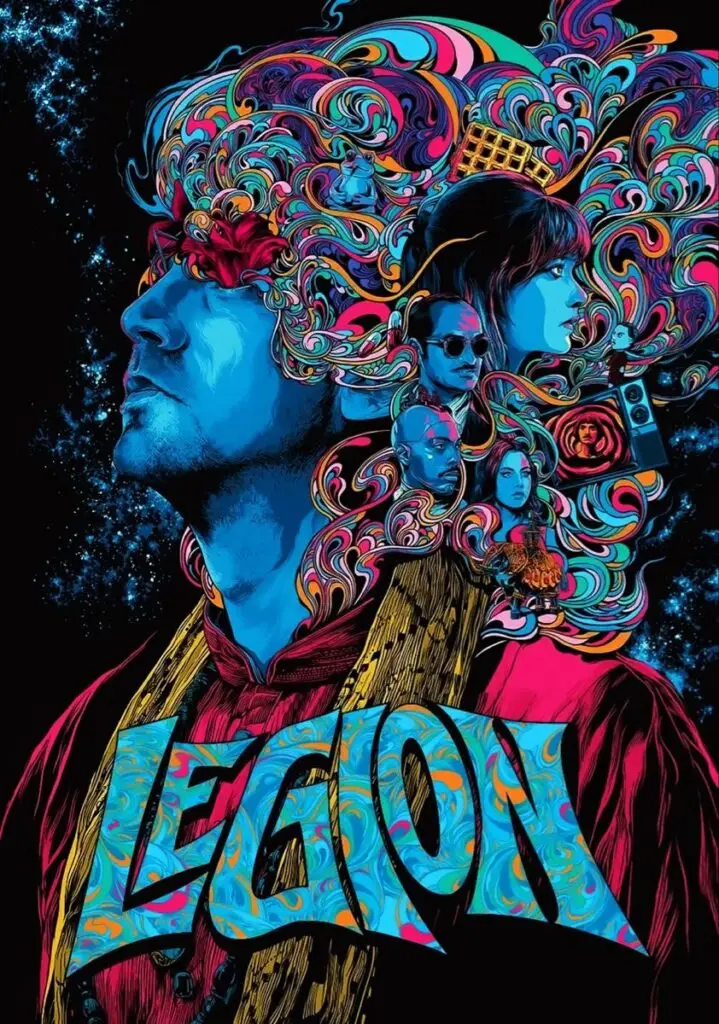
Marketing Strategy: The campaign leaned heavily into surreal teaser trailers, psychological art-house posters, and immersive experiential activations that mirrored the show’s reality-bending tone rather than leaning on standard comic-con marketing.
Multiverse Reel Insight: Legion season 1 explained proved that prestige television budgets yield exceptional artistic dividends when paired with uncompromised auteur vision. Read more via our Multiverse Reel News Hub.
4. Complete Powers, Visual Tech & Surrealist Lore
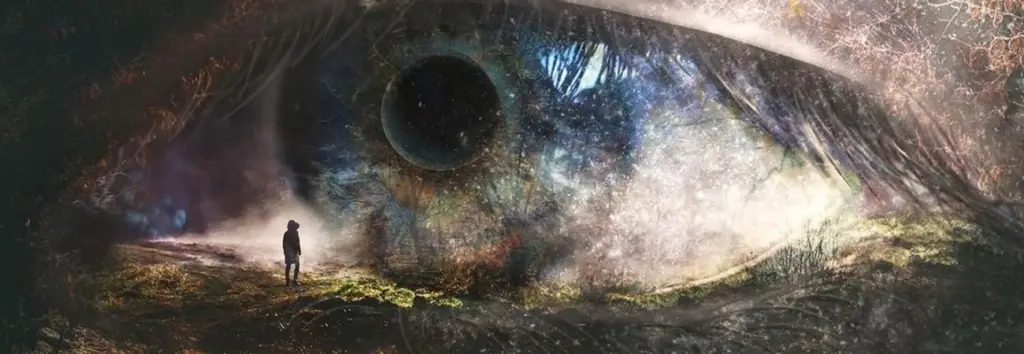
What defined Legion season 1 explained was its radical rejection of objective reality. Because viewers experience the story entirely through David’s distorted, unstable perspective, the show utilized breathtaking stylistic choices:
Cinematic Surrealism: Melding 1960s mod aesthetics with modern psychological horror, featuring spontaneous dance numbers, retro-futuristic set designs, and intentional jump-cuts.
God-Tier Psychic Manifestation: Telekinesis, telepathy, astral projection, and reality warping that scale far beyond conventional street-level heroes highlighted in Legion season 1 explained breakdowns.
The Shadow King’s Infiltration: A psychic parasite capable of rewriting memories, constructing false realities, and hiding in the deep recesses of a host’s subconscious for decades. For external perspective on psychological television framing, check out IGN’s TV Analysis.
5. Frequently Asked Questions (FAQs)
Q1: Is David Haller related to Professor X in Legion season 1 explained?
Q2: Who is the main villain of Legion season 1 explained?
Q3: Where can I watch Legion season 1 explained episodes?
Q4: Who created the series?
Q5: Is Legion part of the main MCU timeline?
6. Final Verdict & Fan Community Discussion
Legion season 1 explained highlights a visionary, visually stunning masterclass in television that pushed the boundaries of superhero storytelling into uncharted artistic territory.
Join the Discussion on The Multiverse Reel
How did you feel about Noah Hawley’s surrealist, genre-defying approach in Legion season 1 explained when adapting a Marvel mutant property? Share your thoughts below or join our Community Forum!